How to Price Power Tool Repairs in 2026
A practical pricing guide for power tool repairs — from common cordless drill fixes to major rebuilds — with real cost breakdowns and margin targets.
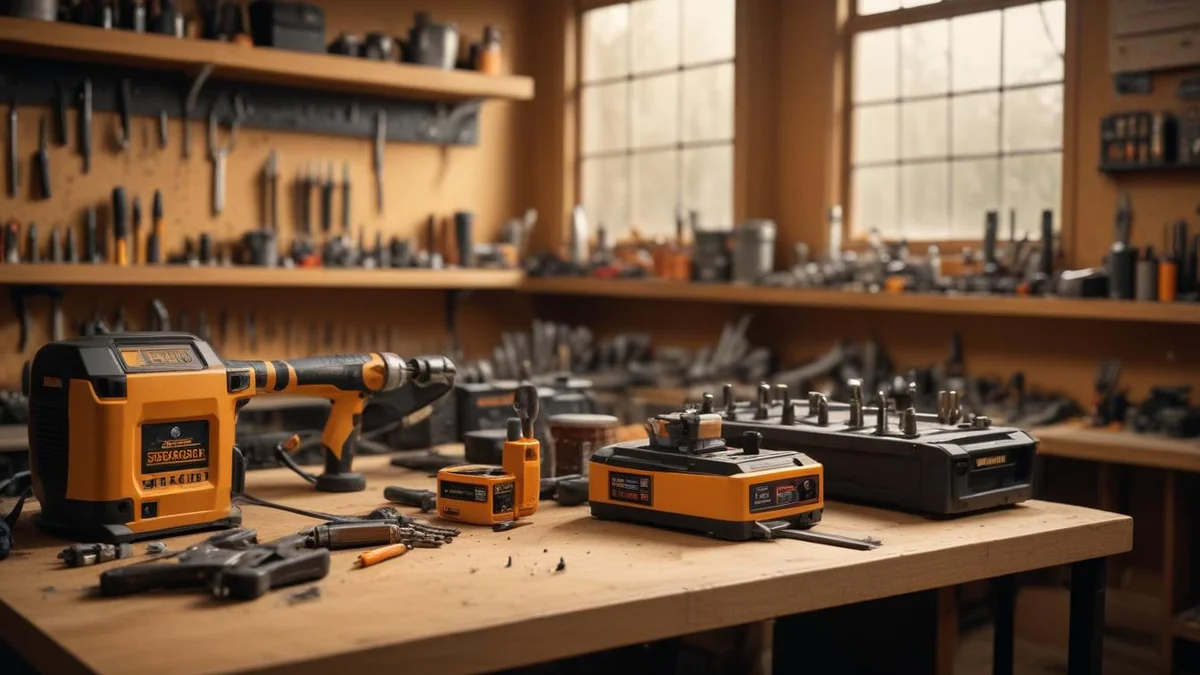
Pricing power tool repairs is harder than pricing a consumer electronics fix. There is no screen replacement with a fixed parts cost and a 30-minute labor time. Power tool repairs range from a $15 brush replacement to a $300 armature rebuild, and the customer expects a quote before you start. This guide gives you real numbers to work with.
The Two Pricing Models
Most power tool repair shops use one of two approaches — or a hybrid of both.
Flat Rate per Repair Type
You charge a fixed price for common repairs regardless of actual time spent. This works when you know the job well enough to predict labor accurately.
Pros: Simple to quote, easy for customers to understand, rewards your speed and experience.
Cons: You absorb the risk on jobs that take longer than expected. New technicians lose money on flat-rate jobs until they build speed.
Time and Materials
You charge an hourly labor rate plus the actual cost of parts with markup. This works for unusual repairs, diagnostics, or jobs where the scope is unclear at intake.
Pros: You always cover your costs. Fair for complex or unpredictable repairs.
Cons: Customers dislike open-ended pricing. Requires accurate time tracking.
The Hybrid Approach
Most successful shops use flat rate for common repairs and time and materials for everything else. Quote the flat rate at intake for jobs you know. For anything unusual, charge a diagnostic fee and provide a quote after inspection.
Common Power Tool Repair Prices (2026)
These are typical retail prices for independent repair shops in the US. Adjust for your market, overhead, and parts costs.
Cordless Drills and Impact Drivers
| Repair | Parts Cost | Retail Price | Notes |
|---|---|---|---|
| Switch replacement | $8-15 | $45-65 | 20-30 min labor |
| Chuck replacement | $15-30 | $55-85 | Brand-dependent |
| Motor/armature | $25-60 | $85-150 | Dewalt, Milwaukee, Makita |
| Battery contact repair | $5-10 | $35-50 | Common on older 18V models |
| Full teardown and service | — | $50-75 | Clean, lube, inspect, reassemble |
Circular Saws and Miter Saws
| Repair | Parts Cost | Retail Price | Notes |
|---|---|---|---|
| Blade guard repair | $10-20 | $45-70 | Safety-critical, test thoroughly |
| Trigger switch | $12-25 | $50-75 | Same as most corded tools |
| Brush replacement | $8-15 | $35-55 | Quick job, high margin |
| Bearing replacement | $15-30 | $65-100 | Requires full disassembly |
| Arbor/spindle repair | $20-50 | $85-150 | Precision work |
Grinders (Angle, Bench, Die)
| Repair | Parts Cost | Retail Price | Notes |
|---|---|---|---|
| Brush replacement | $6-12 | $30-50 | Easiest repair in the shop |
| Switch replacement | $10-20 | $45-65 | |
| Gear replacement | $20-45 | $75-130 | Requires experience |
| Spindle lock repair | $10-15 | $40-60 | |
| Full rebuild | $40-80 | $120-200 | For high-value professional grinders |
Reciprocating Saws and Jigsaws
| Repair | Parts Cost | Retail Price | Notes |
|---|---|---|---|
| Blade clamp repair | $10-20 | $40-65 | Common failure point |
| Switch/trigger | $12-20 | $50-70 | |
| Orbital mechanism | $15-35 | $65-100 | Jigsaw-specific |
| Gear assembly | $25-50 | $80-140 |
Setting Your Labor Rate
Your labor rate should cover your overhead and produce a target profit margin. Here is how to calculate it:
The Formula
Hourly labor rate = (Annual overhead ÷ Billable hours) + Target hourly profit
For a small shop:
- Annual overhead (rent, insurance, utilities, tools): $60,000-80,000
- Billable hours per year (one technician): ~1,600
- Overhead per billable hour: $37-50
- Target profit per hour: $20-30
- Labor rate: $57-80/hour
Most independent shops land between $60-85/hour for power tool repair. Shops in high-cost markets or with specialized expertise charge $90-120. For a detailed walkthrough of the cost-per-billable-hour formula, including overhead and utilization, see our guide on how to price labor in your repair shop.
Do Not Underprice
New shops often set rates too low to attract customers. This backfires. Low prices signal low quality in repair. A customer paying $300 for a DeWalt expects the repair shop to charge professional rates. Price for your expertise, not for volume.


Parts Markup
Standard parts markup for power tool repair is 40-60% over your wholesale cost. Some guidelines:
- OEM parts: 40-50% markup. Customers expect to pay more for genuine parts.
- Aftermarket parts: 50-60% markup. Your cost is lower, but the customer still sees value.
- Customer-supplied parts: Charge labor only, but do not warranty the part. Make this clear at intake.
If you use QuickBooks, tracking your parts costs at the line-item level ensures your actual margins match these targets instead of drifting due to unrecorded freight and defects.
When to Recommend Replacement Over Repair
Be honest with customers. If the repair cost exceeds 50-60% of the tool's replacement value, recommend they buy new. A $120 repair on a $150 drill does not make sense, and the customer will resent you if you do not tell them.
This honesty builds trust and repeat business. The customer who skips a bad repair today comes back with their next tool tomorrow.
Diagnostic Fees
Charge a diagnostic fee of $25-45 for any repair where you need to inspect before quoting. This covers your time and filters out customers who are just price shopping.
Make the diagnostic fee apply toward the repair. If they approve the work, the diagnostic fee is rolled into the total. If they decline, you keep the fee for your time. This is standard practice and customers accept it.
Quoting and Communication
Quote at Intake When Possible
For common repairs, give a price range at the counter: "A brush replacement on that grinder is typically $35-50, depending on the model." This sets expectations and usually gets an immediate approval.
Call Before Exceeding the Estimate
If you find additional issues during the repair, call the customer before doing extra work. Nothing destroys trust faster than a bill that is double the quote.
How Bench Handles Pricing
Consistent pricing across technicians is hard without a system. Bench helps:
- Labor sizing (SM/MD/LG) with per-tool-type pricing. Set your standard rates once, and every technician quotes consistently.
- Parts markup. Set your default markup percentage and Bench calculates retail price automatically.
- Estimates and approvals. Send the customer a text with the estimate. They approve with one tap. No phone tag.
- Timer tracking. For time-and-materials jobs, track actual labor time per repair.
Price With Confidence
The shops that struggle with pricing are the ones that guess. Calculate your labor rate from real overhead numbers, use the price tables above as starting points, and adjust based on your market and experience level. Review your pricing every six months — parts costs change, your speed improves, and your overhead shifts. If you also service outdoor equipment like mowers and chainsaws, check our small engine repair pricing guide for those benchmarks. A well-priced repair shop is a profitable repair shop.
Related
Industry
Power Tools
Drills, saws, grinders, and all power tools
Comparison
Bench vs RepairShopr
Comparison
Bench vs RepairDesk
Pricing
Bench Pricing
Plans from $99/month
Guide
Outdoor Power Equipment: Surviving the Seasonal Rush
Guide
Starting a Commercial Equipment Repair Business
Guide