How to Build a Bulletproof Intake Process for Your Repair Shop
A step-by-step guide to building a repair shop intake process that protects your business, sets customer expectations, and eliminates disputes.
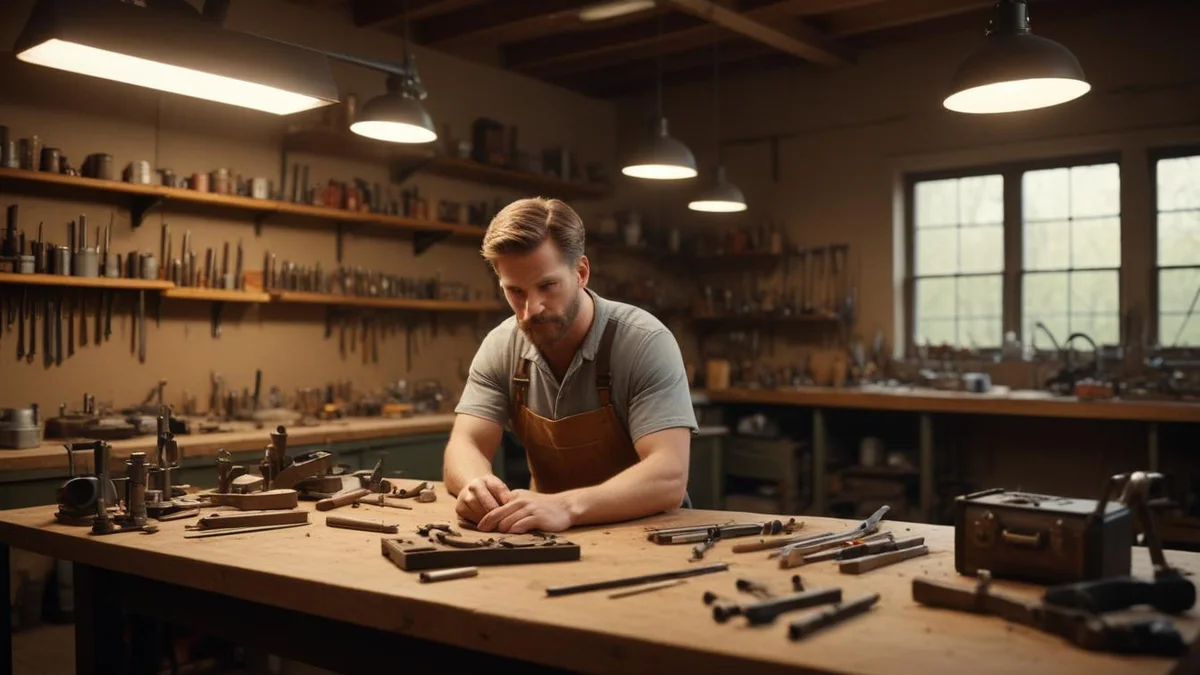
Your intake process is the first impression and the last line of defense. A good intake sets expectations, documents pre-existing conditions, gets authorization for charges, and protects you when a customer claims you damaged their tool. A bad intake — or no process at all — leads to disputes, lost revenue, and wasted time.
Why Intake Matters More Than You Think
Every dispute a repair shop faces can be traced back to intake. The customer who says "it was not scratched when I brought it in." The customer who did not realize parts were extra. The customer who never agreed to the price.
- Legal protection. A signed intake form with documented conditions is your evidence if a customer disputes.
- Clear expectations. When the customer knows the estimated cost, timeline, and policies upfront, surprises disappear.
- Efficiency. A standardized process means any team member can handle intake consistently. No tribal knowledge required.
- Revenue. Proper intake captures all billable work upfront. Without it, technicians discover issues mid-repair and have to call for approval, slowing everything down.
The Intake Checklist
Every tool that comes through your door should go through these steps. No exceptions.
1. Customer Information
Capture or verify:
- Name, phone number, email
- Business name (if B2B — this determines tax exemption and credit terms)
- Preferred contact method (text, call, email)
If the customer is in your system, pull up their record and verify the phone number. People change numbers and do not tell you.
2. Tool Identification
Document the item being repaired:
- Brand and model (be specific — "DeWalt DCD791" not "DeWalt drill")
- Serial number (if visible — protects against theft claims and warranty lookups)
- Accessories included (batteries, cases, blades, chargers — if it is not documented, you cannot prove you did not lose it)
3. Condition Documentation
This is the step most shops skip, and it is the one that saves you the most.
- Describe pre-existing damage. Scratches, dents, missing parts, worn cords, cracked housings. Write it down.
- Take photos. A quick photo of the tool at intake is irrefutable evidence. Front, back, and any existing damage.
- Note operational state. Does it power on? Does it spin? Is it completely dead? Document what the customer tells you and what you observe.
4. Customer's Complaint
Write down what the customer says is wrong, in their words. "It sparks when I pull the trigger." "It does not hold a charge." "It makes a grinding noise."
This is different from your diagnosis. The customer's complaint is the starting point. Your technician's diagnosis comes later.
5. Estimate and Authorization
Before the customer leaves, establish the financial terms:
- Diagnostic fee (if applicable): "There is a $35 diagnostic fee. If you approve the repair, it applies toward the total."
- Estimated cost range: "Based on what you're describing, this is typically $65-100."
- Maximum authorization: "Would you like us to proceed up to $150 without calling, or would you prefer we call for anything over $100?"
- Parts sourcing: "We use OEM parts unless you request aftermarket. OEM is more expensive but lasts longer."
6. Policies Acknowledgment
Cover these at intake — briefly, not as a legal lecture:
- Storage fees. "Completed repairs need to be picked up within 14 days. After that, there is a $3/day storage fee." (See our guide on storage fee policies for how to structure this.)
- Warranty. "We warranty our work for 60 days." (For help structuring this, read our warranty policies guide.)
- Abandoned items. "Items not picked up within 90 days may be considered abandoned." (We cover the full abandoned repair workflow in our handling abandoned repairs guide.)
- Customer-supplied parts. "If you supply your own parts, we cannot warranty those parts."
7. Signature
The customer signs the intake form acknowledging the pre-existing condition, estimated cost, and policies. This is non-negotiable. A signature turns a verbal agreement into a documented one.


The Intake Form
Your intake form should fit on one page and capture everything above. Here is what to include:
Header: Shop name, address, phone, date, ticket number
Customer section: Name, phone, email, business name
Item section: Brand, model, serial number, accessories, condition notes
Complaint: Customer's description of the problem
Authorization: Diagnostic fee, estimated range, maximum authorization, parts preference
Policies: Storage, warranty, abandonment (printed on the form)
Signatures: Customer signature, date, staff initials
Photos: Taken digitally and linked to the ticket in your repair management system
Common Intake Mistakes
Taking Items Without Documentation
"I'll log it later" is how tools get lost, conditions get forgotten, and disputes start. Log it at the counter, in front of the customer.
Skipping Photos
Photos take 30 seconds and prevent 90% of "you damaged my tool" disputes. Make it a non-negotiable step. Strong intake documentation is also your best defense if a customer files a chargeback or payment dispute.
Verbal-Only Estimates
"It'll probably be around $80" means nothing without documentation. Write it on the intake form or enter it in your system. When the customer sees it in writing, they take it seriously.
Not Setting a Maximum Authorization
Without a cap, you either do unauthorized work (and face a dispute) or stop mid-repair to call the customer (and waste time). Always ask for a maximum.
Rushing the Process
A proper intake takes 3-5 minutes per item. Shops that rush intake spend 30 minutes later dealing with the problems it causes. The math is clear.
Multi-Tool Intakes
When a contractor drops off 5 tools at once, intake gets complicated. Handle it efficiently:
- One ticket per tool. Each tool gets its own repair ticket with its own condition notes and photos.
- Combined receipt. Give the customer a single receipt listing all items with their ticket numbers.
- Group under a project name. If the tools belong to the same job or customer, group them so you can track the batch.
How Bench Streamlines Intake
A paper-based intake process works for 5 repairs a day. At 15+ repairs a day, you need a system.
- Digital intake form. Customer info, tool details, complaint, and estimate — all captured in one screen.
- Photo capture. Take photos directly from the intake screen. They are attached to the repair record permanently.
- Digital signatures. The customer signs on screen at the counter. The signature is stored with the repair record.
- Multi-tool intake. Drop off multiple tools for one customer in a single session. Each gets its own ticket, all linked to the customer.
- Automatic notifications. The customer gets a text confirmation with their ticket number as soon as intake is complete. These automated updates are one of the most effective ways to reduce phone calls in your shop.
- Estimate approval. Send the estimate via text. The customer approves with one tap. No phone calls.
- Barcode scanning. Scan a repair ticket barcode at the counter to pull up a customer's record instantly, speeding up repeat intakes.
Build the Habit
The best intake process is the one your team actually follows every time. Keep the form simple, make photos non-negotiable, and get a signature on every job. Train new hires on intake before you train them on anything else. The five minutes you invest at the counter saves hours of disputes, lost items, and frustrated customers down the line.
Related
Industry
Power Tools
Drills, saws, grinders, and all power tools
Industry
Electronics & Mobile
Phones, tablets, laptops, game consoles
Industry
Outdoor Equipment
Lawn mowers, snow blowers, chainsaws
Comparison
Bench vs RepairShopr
Pricing
Bench Pricing
Plans from $99/month
Guide
QuickBooks for Appliance Repair Businesses: A Practical Guide
Guide
QuickBooks for Electronics Repair Shops: Setup and Best Practices
Guide