How to Get Your First 100 Customers as a New Repair Shop
Opening a repair shop is the easy part. Getting customers in the door takes strategy. Here are proven tactics to reach your first 100.
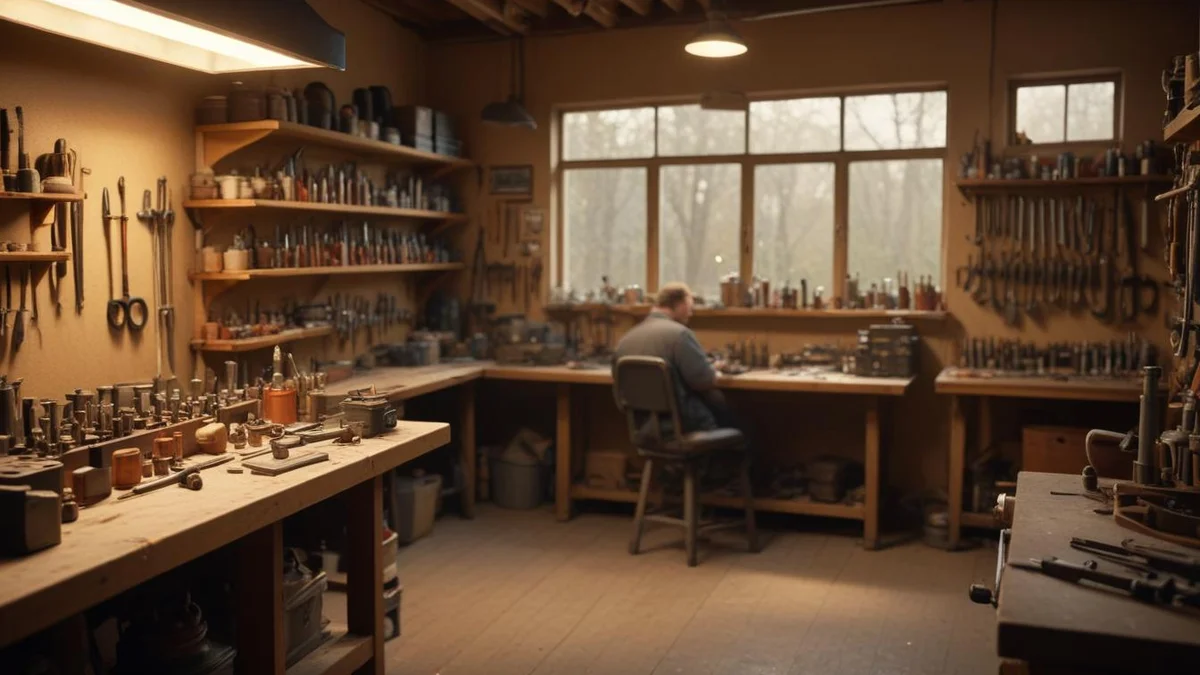
You signed the lease, set up the workbench, stocked the shelves with parts, and hung the "Open" sign. Now you are standing in an empty shop wondering where the customers are.
This is the hardest phase of running a repair shop. You know the work. You can fix anything that comes through the door. But nobody knows you exist yet. Getting from zero to 100 customers takes deliberate effort, and it typically takes 3 to 6 months if you are doing it right.
Here is what actually works.
Google Business Profile — Do This on Day One
This is the single most important thing you will do for marketing your repair shop. Not a website. Not social media. Your Google Business Profile.
When someone searches "power tool repair near me" or "mower repair [your city]," Google shows a map with local businesses. If you are not on that map, you do not exist to the majority of potential customers.
Set it up correctly:
- Use your exact business name, address, and phone number
- Choose the most specific categories available (e.g., "Power Tool Repair Service," "Small Engine Repair Service")
- Add your hours of operation
- Write a description that includes the types of equipment you repair and the area you serve
- Upload at least 10 photos — your storefront, your workbench, equipment you have repaired, your team
- Enable messaging so customers can text you directly from the listing
This takes about an hour. It will generate more customers than anything else on this list. For the full playbook on ranking higher in local search results, see our local SEO guide for repair shops.
Local SEO Basics
Your Google Business Profile gets you on the map. A basic website gets you into search results. You do not need anything fancy — a simple site with these pages will do:
- Home page with your services, location, and phone number
- Services page listing every type of repair you offer
- Contact page with your address, map embed, hours, and phone
- A page for each major service ("Power Tool Repair in [City]," "Lawn Mower Repair in [City]")
The key is to include your city name and specific repair types throughout your site. "Small engine repair in Springfield, MO" is what people search for. Make sure those words appear on your site.
Do not spend $5,000 on a custom website before you have 100 customers. A clean, simple site on Squarespace or even a single-page site is enough to start.
Partnerships That Send You Customers
The fastest path to your first 100 customers is through businesses that already serve them. These partnerships cost nothing but your time and a willingness to be helpful.
Hardware Stores
Local Ace, True Value, and Do it Best stores get asked about repairs constantly. They do not offer repair services. Introduce yourself to the manager, leave business cards, and offer to be their referral shop. Some stores will let you leave a small sign or flyer at the service counter.
Contractors and Landscapers
These people burn through tools and equipment. A landscaper with 15 mowers needs a reliable repair shop. Drop off business cards at job sites. Visit landscape supply houses. Offer a 10% contractor discount to build the relationship — the volume will more than make up for it.
Property Management Companies
Property managers maintain dozens or hundreds of units. Their maintenance teams use power tools, mowers, snow blowers, and small appliances constantly. One property management account can send you 5 to 10 repairs per month.
Manufacturer Warranty Programs
Becoming an authorized service center for brands like DeWalt, Milwaukee, Stihl, or Husqvarna puts you on their dealer locator. Warranty work does not pay as well as retail repair, but it gets customers in the door — and those customers come back for non-warranty work later.
Google Reviews — Ask Every Single Customer
After your Google Business Profile, reviews are the most powerful tool for attracting new customers. A shop with 25 five-star reviews will get chosen over a shop with 3 reviews every time, even if the 3-review shop does better work.
The process is simple:
- After every completed repair, hand the customer a card or send a text with your Google review link
- Say: "If you were happy with the service, a Google review really helps us out. It takes about 30 seconds."
- That is it. Do not overthink it.
Most customers are willing to leave a review. They just need to be asked. Aim for a review from every third customer. If you complete 10 repairs per week, that is 3 to 4 new reviews per week. In two months you will have 25 to 30 reviews, which puts you ahead of most competitors.
Your goal for the first 3 months: 25 Google reviews with a 4.8+ star rating. This single metric will drive more new customers than any ad you could run.
For a complete walkthrough on timing, channels, and automation, read our guide on getting more Google reviews for your repair shop.


Social Media — Keep It Simple
You do not need to be on every platform. For a repair shop, two channels matter:
Create a business page. Post 2 to 3 times per week. What to post:
- Before and after photos of repairs (these get the most engagement)
- Quick tips ("How to winterize your mower in 3 steps")
- Customer shoutouts (with their permission)
- Photos of interesting or unusual repairs
Join local community groups and be helpful without being pushy. When someone asks "Anyone know a good place to get my chainsaw fixed?" you want your name to come up — either from you or from a customer who remembers you.
Same content as Facebook. Before/after photos perform especially well. Use local hashtags: #SpringfieldMO, #SpringfieldRepair, #PowerToolRepair. Post to Stories when you are working on something interesting.
What Not to Do
Do not spend hours on social media. 15 to 20 minutes per day is plenty. Do not buy followers. Do not run paid ads until you have at least 50 customers and a solid review base — organic reach is enough to start. For a deeper dive on content and strategy, check out our social media marketing guide for repair shops.
Nextdoor and Local Community Groups
Nextdoor is underrated for local service businesses. Claim your business on Nextdoor and respond when neighbors ask about repairs. People trust recommendations from their neighbors more than any ad.
Facebook Marketplace is another channel. You can list repair services there, and it is free.
Local community Facebook groups (neighborhood groups, buy/sell/trade groups, town groups) are where a huge number of people ask for service recommendations. Be present in these groups without being spammy.
Flyers at Job Sites and Supply Houses
Old school? Yes. Effective? Absolutely.
Print 200 simple flyers with your business name, what you repair, your phone number, and your address. Distribute them:
- On bulletin boards at building supply stores (lumber yards, electrical supply, plumbing supply)
- At tool rental centers
- At laundromats and community boards in grocery stores
- Handed directly to landscaping crews at job sites
- Left with fleet managers at construction companies
Cost: about $30 for 200 flyers. Expected return: 5 to 15 customers over the following month. That is a customer acquisition cost of $2 to $6 — far cheaper than any digital ad.
Referral Incentives
Your existing customers are your best salespeople. Give them a reason to send friends and colleagues.
A simple referral program works: "Refer a friend, you both get $10 off your next repair." Print it on a card. Hand it out with every completed repair.
For commercial accounts, the incentive can be different: "Refer another contractor or landscaper. If they become a regular customer, you get a free tune-up."
Track referrals. Even a simple note in your system ("referred by John at ABC Landscaping") helps you understand which relationships are generating business.
Grand Opening Strategy
If you have not officially opened yet, a grand opening event can jumpstart your customer base. Keep it low-key and practical:
- Pick a Saturday morning, 9am to 1pm
- Offer free blade sharpening or free diagnostics (one per person) to get people in the door
- Have coffee and donuts
- Collect names and phone numbers for a contact list
- Invite your hardware store contacts, contractor partners, and anyone from your network
A good grand opening can generate 20 to 40 contacts in one day. Even if half of those turn into paying customers over the next few months, that is a significant head start.
Tracking Where Customers Come From
You cannot improve what you do not measure. From day one, ask every new customer: "How did you hear about us?" Track the answer.
After 3 months, you will have a clear picture of what is actually working. Most repair shops find that Google (Business Profile + reviews), word of mouth, and partnerships account for 80% or more of new customers. The other tactics support and amplify those three channels.
Use your repair shop software to tag customer sources. Over time, this data tells you where to invest more effort and what to stop doing.
Timeline Expectations
Here is a realistic timeline for a new repair shop in a decent market:
| Month | Milestone |
|---|---|
| Month 1 | 10 to 20 customers. Mostly from personal network, grand opening, and early partnerships. |
| Month 2 | 25 to 40 total. Google Business Profile starts generating calls. First few reviews come in. |
| Month 3 | 45 to 65 total. Referrals start happening. Partnerships with hardware stores and contractors produce steady flow. |
| Month 4-5 | 70 to 90 total. Organic search traffic increases. Review count crosses 20+. Repeat customers emerge. |
| Month 6 | 100+ total. You have a functioning customer base with multiple acquisition channels working. |
This assumes you are in a market with reasonable demand and you are actively working the strategies above. If you open a shop and just wait for people to walk in, it will take much longer — or it may never happen.
The Compounding Effect
The first 20 customers are the hardest. Every one after that gets easier because each satisfied customer is a potential review, referral, and repeat buyer. By the time you reach 100, you will have momentum that feeds itself.
Focus on doing excellent work, asking for reviews, and building relationships with businesses that serve the same customers you do. Once those first 100 customers are in the door, your next priority is turning them into repeat customers. That combination, executed consistently for 3 to 6 months, gets virtually every repair shop to 100 customers.
Do not try to shortcut it with expensive ads or flashy marketing. The fundamentals work. Do them consistently and the customers will come.
Related
Industry
Power Tools
Drills, saws, grinders, and all power tools
Industry
Outdoor Equipment
Lawn mowers, snow blowers, chainsaws
Industry
Electronics & Mobile
Phones, tablets, laptops, game consoles
Industry
Small Appliances
Vacuums, sewing machines, mixers
Pricing
Bench Pricing
Plans from $99/month
Guide
QuickBooks for Appliance Repair Businesses: A Practical Guide
Guide
QuickBooks for Electronics Repair Shops: Setup and Best Practices
Guide