Storage Fee Policies That Actually Work for Repair Shops
How to write and enforce storage fee policies that get customers to pick up their repairs on time, without losing business.
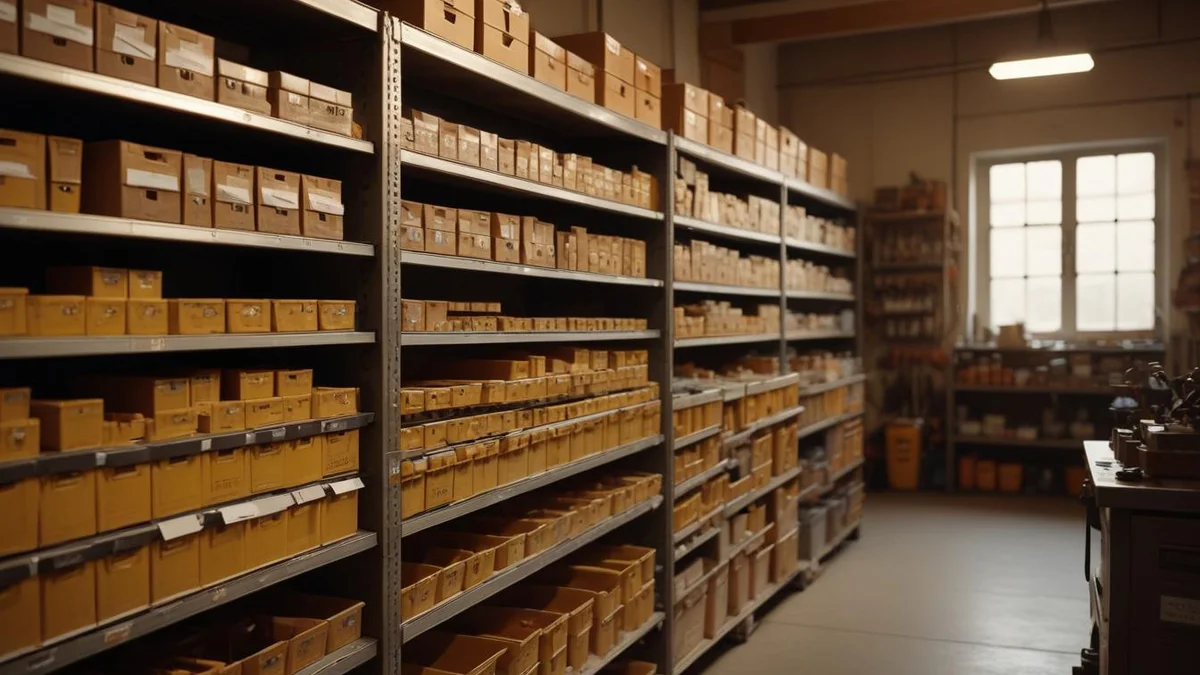
A clear storage fee policy is the single most effective way to stop repairs from piling up on your shelves. The trick is making the policy visible at intake so customers know the clock is ticking, then following through consistently. Done right, you collect repairs faster and rarely have to charge the fee at all.
Why Uncollected Repairs Pile Up
Every repair shop has a shelf of forgotten tools. Chainsaws fixed three months ago, drills that have been "ready" since summer. Without a written policy, customers treat your shop like free storage.
- Lost revenue. You can't take in new work if your bench is full of completed repairs nobody has picked up.
- Parts and labor risk. The longer a tool sits, the more likely the customer disputes the charge or never returns.
- Staff time. Your team wastes hours calling customers and shuffling inventory.
How to Structure Your Storage Fee Policy
A good policy is simple, fair, and escalates gradually. Here is a framework that works:
Grace Period
Give customers 7 to 14 days after you notify them the repair is complete. This is generous enough that nobody can claim they were not given time.
Fee Start
After the grace period, charge a flat daily or weekly rate. Most shops land between $2-5 per day or $10-25 per week. Daily fees create more urgency. Weekly fees are easier to administer.
Cap or Escalation
Set a maximum storage fee (typically $150-300) or an escalation point where you notify the customer that the item may be considered abandoned. This protects you from situations where the fee exceeds the item's value.
Abandonment Threshold
After 60 to 90 days, the item is considered abandoned. At this point, most state lien laws allow you to sell or dispose of the property after proper notice. For the full workflow on what to do when items cross this threshold, see our guide on handling abandoned repairs.
Sample Policy Language
Completed repairs must be picked up within 14 days of notification. After 14 days, a storage fee of $3/day will apply. Items not claimed within 90 days will be considered abandoned per [state] lien laws.
Getting Agreement at Intake
The policy means nothing if the customer never saw it. Build it into your intake process:
- Print it on the repair ticket. The customer signs a ticket that includes the storage policy. This is your proof.
- Post it in the shop. A visible sign near the counter reinforces the message.
- Mention it verbally. A quick "We charge storage after two weeks, so we'll let you know as soon as it's ready" sets expectations without being aggressive.
The goal is not to surprise anyone. When a customer knows the policy exists, they almost always pick up on time.


Communicating and Enforcing Fees
Consistency is what makes this work. If you waive the fee every time someone pushes back, word spreads and the policy loses all power.
Notification Sequence
A good sequence looks like this:
- Day 0: Repair complete notification (text and/or call)
- Day 7: Reminder that pickup deadline is approaching
- Day 14: Storage fee starts, customer notified
- Day 30: Second notice with running balance
- Day 60: Final notice — item will be considered abandoned in 30 days
When to Make Exceptions
You will make exceptions. But make them rare and documented. Waiving a fee for a loyal contractor is different from caving because someone complains at the counter.
How Bench Handles Storage Tracking
Manually tracking storage deadlines across dozens of repairs is where most shops give up on enforcement. Bench automates the cycle:
- Automatic pickup reminders go out via SMS when a repair is marked complete, with follow-ups at intervals you set. Customers who have access to a self-service portal can also check status and pay online, which speeds up pickups significantly.
- Storage deadline tracking flags repairs past the grace period and calculates fees automatically.
- Customer communication log records every notification sent, so you have proof the customer was informed.
- Abandonment alerts notify you when a repair hits the abandonment threshold.
Legal Considerations: Lien Laws
Most states have mechanic's lien or artisan's lien laws that cover unclaimed repaired property. The specifics vary, but the general framework is:
- You must provide written notice to the customer before claiming or disposing of the item. Certified mail is safest.
- There is a waiting period after notice (often 30 days) before you can sell or dispose of the property.
- Proceeds from a sale typically must first cover the repair and storage charges.
- Documentation matters. Keep records of repair authorization, completion notification, and all storage fee notices.
Look up your state's specific statute. Search for "[your state] artisan's lien" or "[your state] unclaimed property repair shop." Some states require specific language in the notice.
Make the Policy Work for You
The best storage fee policies share three traits: they are visible before the repair starts, they are enforced consistently, and the communication is automated so nothing falls through the cracks. Most customers will never pay a storage fee because the reminders do their job. That is the whole point.
Related
Industry
Power Tools
Drills, saws, grinders, and all power tools
Industry
Outdoor Equipment
Lawn mowers, snow blowers, chainsaws
Comparison
Bench vs RepairShopr
Pricing
Bench Pricing
Plans from $99/month
Guide
QuickBooks for Appliance Repair Businesses: A Practical Guide
Guide
QuickBooks for Electronics Repair Shops: Setup and Best Practices
Guide