Complete Guide to Starting a Power Tool Repair Business
Everything you need to know about starting a power tool repair shop — from licensing and equipment to finding your first customers and managing repairs.
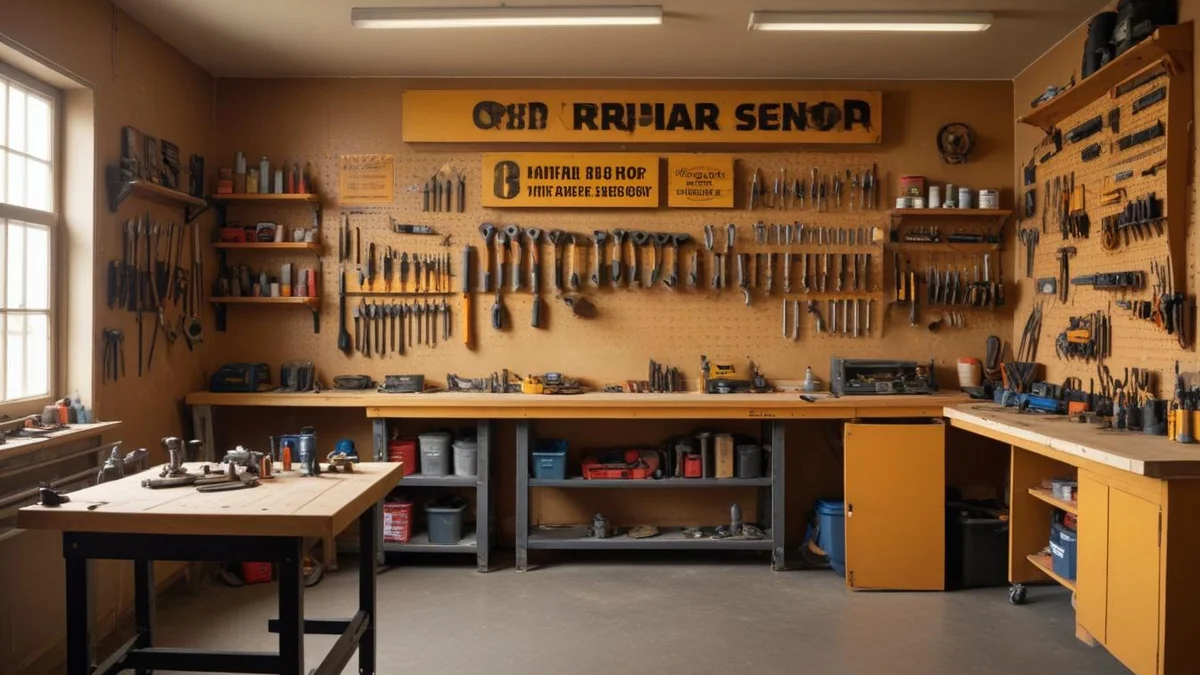
Starting a power tool repair business is one of the best opportunities in the trades service industry right now. OEM service centers are closing, manufacturers are consolidating authorized repair networks, and contractors still need their tools fixed fast. An independent repair shop that delivers quick turnaround and honest pricing can build a loyal customer base within months.
Why the Market Opportunity Is Real
The shift away from manufacturer-operated service centers has created a gap that independent shops are filling. Contractors can't afford to ship a drill to a factory service center and wait three weeks. They need it back in two days.
- OEM service networks are shrinking. Major brands have reduced their authorized repair locations by over 30% in the last five years. Fewer options for contractors means more demand for local shops.
- Tool costs keep climbing. A professional-grade rotary hammer costs $400-800. Replacing it every time something breaks isn't realistic. Repair is the obvious choice.
- Right to Repair momentum. Legislation and cultural shifts are making it easier to access parts, schematics, and diagnostic information that used to be locked down.
Getting Started: Licensing, Insurance, and Workspace
Business Licensing
Requirements vary by state and municipality, but most power tool repair shops need:
- General business license from your city or county
- Sales tax permit if you sell parts or accessories
- EPA certifications if you handle refrigerants or hazardous materials (rare for power tools, common if you branch into outdoor equipment)
Check with your local Small Business Development Center (SBDC) — they'll walk you through the exact requirements for your area at no cost.
Insurance
At minimum, carry general liability insurance and property insurance for your tools and inventory. If you hire employees, you'll need workers' compensation. Expect to pay $1,500-3,000 per year for a small shop's coverage.
Workspace Requirements
You don't need a retail storefront to start. Many successful shops begin in a garage or small industrial bay. What matters:
- Adequate power supply — 200-amp service minimum, with dedicated 220V circuits for testing large tools
- Ventilation — Motor work produces carbon dust and fumes
- Organized workbench space — At least 8 feet of clear bench per technician
- Secure parts storage — Small parts get lost fast without a system
Essential Equipment and Tools
You don't need $50,000 in equipment on day one. Start with the fundamentals:
- Multimeter and oscilloscope for electrical diagnostics
- Bearing pullers and press for motor work
- Armature lathe or growler for testing armatures
- Soldering station for switch and wiring repairs
- Standard hand tools — wrenches, screwdrivers, pliers, hex keys in metric and SAE
- Parts cleaning station with solvent tank
- Air compressor for blowing out dust and debris
Total startup equipment cost: $3,000-8,000 depending on whether you buy new or used.
Building Supplier Relationships
Parts sourcing is where many new shops struggle. Build relationships early with:
- OEM parts distributors — Companies like Tool Parts Direct, eReplacementParts, and manufacturer-specific distributors
- Aftermarket parts suppliers — Often 40-60% cheaper than OEM. Quality varies, so test before committing to a supplier
- Local bearing and electrical supply houses — For generic bearings, brushes, switches, and cord sets
Stock the 20 most common parts for the brands you service. Carbon brushes, trigger switches, cord sets, and bearings cover the majority of repairs.


Finding Your First Customers
Contractors and Construction Companies
This is your bread and butter. Visit job sites, drop off business cards at supply houses, and introduce yourself at contractor association meetings. Offer same-day or next-day turnaround on common repairs — that's your competitive advantage over shipping tools to a service center. For a full breakdown of early-stage marketing tactics, read our guide on getting your first 100 customers as a new repair shop.
Rental Yards and Equipment Companies
Rental companies burn through tools and need a reliable repair partner. Approach local rental yards with a simple pitch: you'll handle their repairs at a flat rate with guaranteed turnaround. One rental yard account can generate $2,000-5,000 per month.
Hardware Stores and Dealers
Some hardware stores accept tools for repair and send them to a local shop. Offer them a referral fee or partnership arrangement.
Pricing Your Services
Use a diagnostic fee plus parts-and-labor model. A typical structure:
- Diagnostic fee: $25-50 (applied toward repair if they approve)
- Labor rate: $60-95 per hour depending on your market
- Parts markup: 30-50% over your cost
For common repairs, create flat-rate pricing. Customers prefer knowing the total cost upfront. A cord replacement might be $45-65 flat. A brush replacement on a circular saw might be $35-55. Flat rates also speed up your intake process because you don't need to estimate every job. For a deeper dive on setting labor rates and margin targets, see our pricing strategies guide for repair shops.
The Most Common Power Tool Repairs
Master these and you'll handle 80% of what walks through the door:
- Carbon brush replacement — The single most common repair. Fast, profitable, and easy to learn.
- Switch and trigger replacement — Second most common. Variable-speed triggers fail frequently on drills and grinders.
- Cord replacement — Simple but steady work. Cords get cut, frayed, and damaged constantly on job sites.
- Armature and field coil replacement — More advanced motor work. Higher ticket value.
- Gear and bearing replacement — Common on grinders, rotary hammers, and reciprocating saws.
- Chuck replacement — Drill chucks wear out or get damaged from dropped tools.
Scaling Beyond a One-Person Shop
Once you're consistently booking 30+ repairs per week, it's time to think about growth:
- Hire a bench technician before you hire a front-counter person. You need more repair capacity first.
- Systemize your intake process. Every tool gets tagged, photographed, and logged the same way. This is critical when multiple people are touching repairs.
- Track your numbers. Average repair value, turnaround time, parts cost percentage, and revenue per technician. You can't improve what you don't measure. A QuickBooks integration makes financial tracking significantly easier as you scale.
Software to Manage It All
Spreadsheets and paper tickets work until they don't — and that breaking point comes faster than most shop owners expect. Repair management software handles intake, tracking, customer communication, invoicing, and reporting in one place.
The right system should track every repair from intake to pickup, send automated status updates to customers, manage parts inventory, and give you the financial visibility to make smart decisions about pricing and hiring. When your shop grows beyond one person, software isn't optional — it's how you maintain quality and keep jobs from falling through the cracks.
Related
Industry
Power Tools
Drills, saws, grinders, and all power tools
Comparison
Bench vs RepairShopr
Comparison
Bench vs RepairDesk
Pricing
Bench Pricing
Plans from $99/month
Guide
Outdoor Power Equipment: Surviving the Seasonal Rush
Guide
Starting a Commercial Equipment Repair Business
Guide