Seasonal Workflow Guide for Outdoor Equipment Repair Shops
How to plan your repair shop's workflow around seasonal demand peaks, manage rush periods, and keep revenue steady year-round.
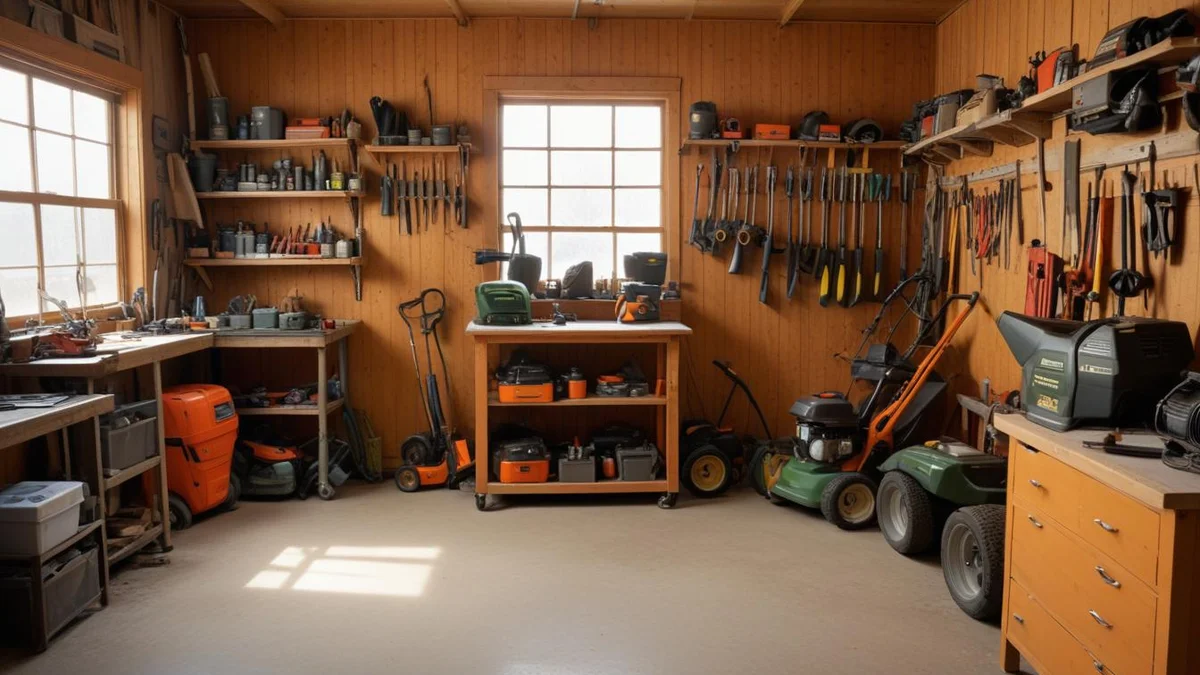
Outdoor equipment repair follows a predictable seasonal cycle that, once understood, becomes your biggest operational advantage. Spring brings the lawn mower rush, fall triggers snow blower and leaf blower prep, and the transitions between seasons are where smart shops generate steady off-peak revenue. Planning around these cycles rather than reacting to them is the difference between a chaotic shop and a profitable one.
The Seasonal Cycle
Spring (March - May): The Rush
This is your highest-volume period. Every homeowner and landscaping crew pulls equipment out of storage and discovers what doesn't start. Expect a 3-5x increase in intake volume compared to winter.
What comes in:
- Lawn mowers — carburetors gummed up from sitting with old fuel, dead batteries on riding mowers, dull or damaged blades
- String trimmers and edgers — fuel system issues, line head replacements
- Pressure washers — pump failures, unloader valve issues
- Tillers and cultivators — tine replacement, engine tune-ups
The spring rush is predictable and intense. Shops that prepare for it in February capture the most revenue. Shops that don't end up turning customers away or quoting 3-week turnaround times that send people elsewhere. For tactical advice on surviving peak weeks, see our seasonal rush survival guide.
Summer (June - August): Steady Maintenance
Volume drops from the spring spike but stays consistent. Equipment is in active use, so you see wear-related failures and maintenance work.
What comes in:
- Blade sharpening and replacement
- Belt and drive repairs on riding mowers
- Overheating issues from heavy use
- Trimmer line head rebuilds
- Hydraulic repairs on commercial equipment
Summer is your best opportunity for tune-up packages and scheduled maintenance programs for commercial landscaping accounts.
Fall (September - November): The Transition
Fall is a two-phase season. Early fall brings end-of-season lawn equipment maintenance. Late fall brings pre-season prep for winter equipment.
What comes in:
- Lawn equipment winterization — fuel stabilizer, oil changes, storage prep
- Chainsaw service — chain sharpening, bar replacement, carburetor tuning before heavy cutting season
- Snow blower tune-ups — auger belt inspection, shear pin stock, fuel system service
- Leaf blower repairs — impeller damage, throttle cable issues
Winter (December - February): Off-Peak Strategy
Walk-in volume drops significantly. This is when unprepared shops struggle. But winter doesn't have to be a dead period.
What comes in:
- Snow blower repairs during storms
- Chainsaw repairs from firewood season
- Indoor equipment (generators, space heaters in some markets)
Planning Ahead for Each Season
The key principle: prepare two months before demand hits. Here's what that looks like in practice.
January-February (prep for spring):
- Order common lawn mower parts — carburetors, air filters, spark plugs, blades, belts
- Schedule marketing for early-bird tune-up specials
- Hire or schedule seasonal help if needed
- Clear backlog and organize workspace for high volume
July-August (prep for fall):
- Stock chainsaw chains, bars, and sprockets
- Order snow blower auger belts, shear pins, and skid shoes
- Plan winterization service packages and pricing
Pre-Season Marketing That Works
Pre-season specials are your most effective marketing tool. They spread demand, lock in revenue early, and reduce the intensity of the rush.
- Early-bird tune-up discounts — Offer 15-20% off for equipment dropped off before the rush starts. A lawn mower tune-up in February costs you the same labor as one in April, but the February customer doesn't create a backlog.
- Pickup and delivery for commercial accounts — Landscaping companies will pay for the convenience of having 20 mowers serviced before the season starts without hauling them to your shop.
- Seasonal maintenance agreements — Sell annual service contracts that include spring tune-up, mid-season blade sharpening, and fall winterization. Predictable revenue for you, convenience for them. See our guide on building maintenance programs for recurring revenue for pricing models and enrollment strategies.


Managing the Spring Rush
When the rush hits, these operational practices keep your shop from drowning:
Triage at Intake
Not every repair is urgent. Sort incoming equipment into categories:
- Quick service (under 30 minutes) — blade sharpening, spark plug replacement, air filter changes. Batch these and run them first thing in the morning.
- Standard repair (1-3 hours) — carburetor rebuilds, belt replacements, electrical diagnosis. These are your core workflow.
- Major repair (4+ hours) — engine rebuilds, transmission work, extensive rust/body repair. Set honest expectations on turnaround.
Set Realistic Turnaround Commitments
During the rush, a 5-7 business day standard turnaround is reasonable. Don't promise 48 hours if you can't deliver it — missed deadlines damage your reputation more than honest timelines.
Dedicated Quick-Service Station
Set up one workbench exclusively for quick jobs. Blade sharpening, oil changes, and spark plug swaps shouldn't wait in the same queue as full engine teardowns.
Off-Season Revenue Strategies
Winter revenue separates shops that survive from shops that thrive:
- Blade and chain sharpening service — Low overhead, fast turnaround. Market it as a drop-off service to landscapers prepping for spring.
- Winterization packages — Charge $50-80 to properly store a lawn mower: stabilize fuel, change oil, clean the deck, sharpen blades.
- Small engine repair classes — Some shops run weekend workshops teaching basic maintenance. It builds community, generates modest revenue, and creates future customers.
- Equipment refurbishment — Buy used equipment, rebuild it, and sell it online at markup. Winter is when you have the bench time for this work.
Inventory Planning for Seasonal Parts
Stock parts before you need them. Ordering a lawn mower carburetor in April means competing with every other shop doing the same thing. Lead times stretch and prices spike.
Track what you used last year and order 10-15% more to account for growth. The most commonly needed seasonal parts:
- Spring: Lawn mower blades, air filters, carburetors, pull-start assemblies, belts
- Fall: Chainsaw chains and bars, snow blower shear pins, auger belts, fuel line kits
- Year-round: Spark plugs, fuel filters, oil filters, trimmer line
Staffing for Peak Periods
If you need extra hands for spring, start recruiting in January. Options include:
- Part-time seasonal technicians — Often retired mechanics or students in trade programs
- Cross-training existing staff — Your counter person can handle blade sharpening and quick-service tasks during the rush
- Overflow partnerships — Know another shop that can handle overflow? Build that relationship before you need it.
Using Software to Forecast Demand
Last year's data is your best predictor of next year's demand. Repair management software that tracks intake volume, repair types, and parts usage by month gives you a clear picture of what's coming.
Pull reports in January to see how many lawn mower repairs you did last March. Check which parts you ran out of. See which weeks had the highest intake. Use that data to staff appropriately, order parts early, and set marketing timelines. Shops that run on gut instinct get surprised every spring. Shops that run on data don't.
Related
Industry
Outdoor Equipment
Lawn mowers, snow blowers, chainsaws
Comparison
Bench vs mHelpDesk
Pricing
Bench Pricing
Plans from $99/month
Guide
Outdoor Power Equipment: Surviving the Seasonal Rush
Guide
Starting a Commercial Equipment Repair Business
Guide